By Bob Thrush
November 16, 2026
A properly functioning septic system is essential for maintaining a clean, comfortable, and sanitary property. For homeowners and commercial property owners who rely on private wastewater systems, routine maintenance is one of the most important responsibilities of property ownership. Without proper care, accumulated waste, damaged components, and drainage problems can interfere with everyday plumbing and lead to expensive complications. Fortunately, proactive maintenance and professional assistance can help prevent many of these issues.
Understanding when to schedule septic tank service and repairs can make a significant difference in your system's long-term performance. From routine pumping and inspections to addressing unexpected problems, professional septic services help protect your property and keep wastewater moving where it belongs. Whether you are maintaining an older system or simply want to avoid future disruptions, knowing how to recognize potential problems and prioritize preventative care can help you make informed decisions.
Understanding the Importance of Routine Septic Maintenance
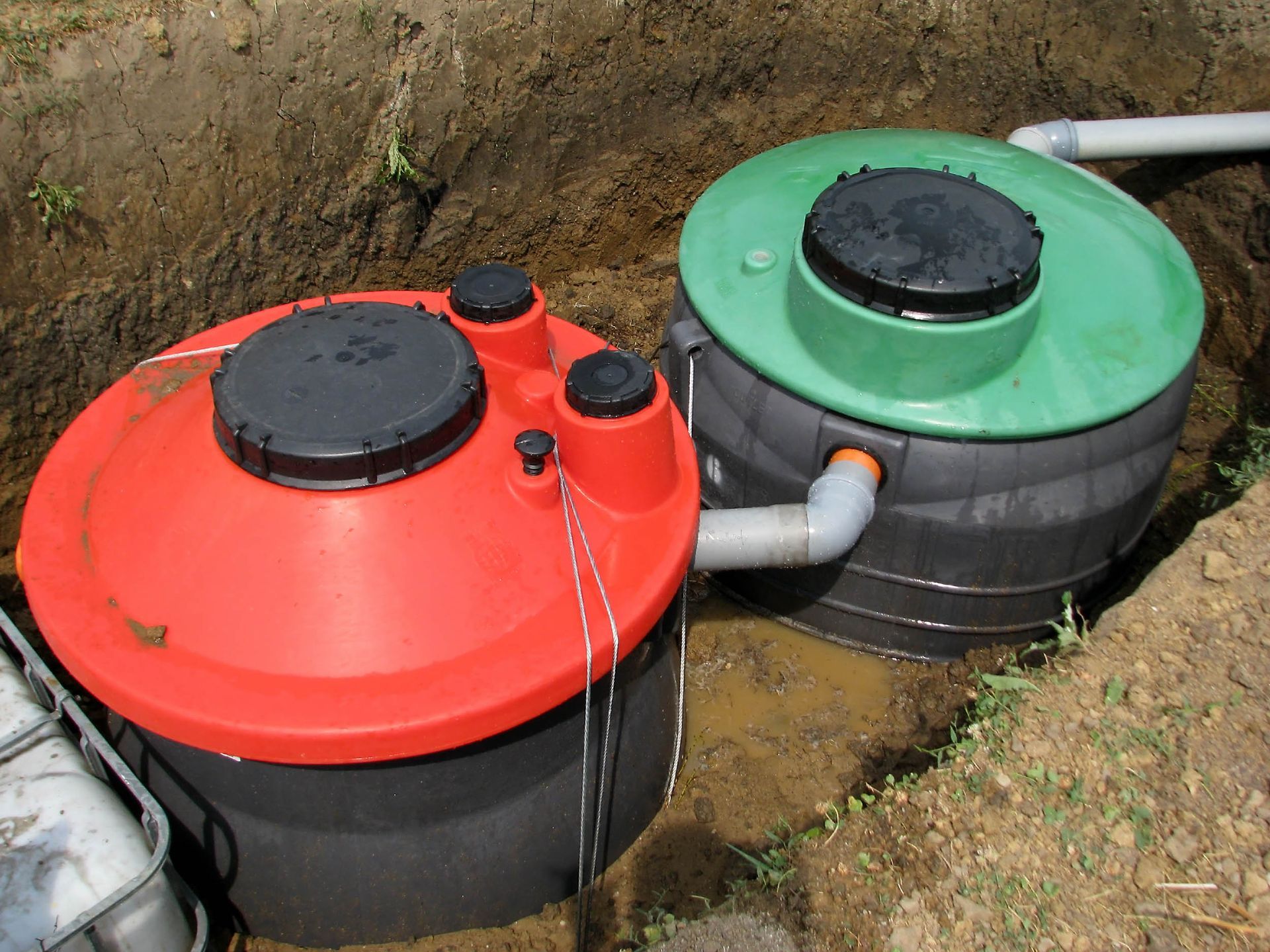
Your septic system performs an important job by collecting, treating, and distributing household wastewater. Every time you flush a toilet, wash dishes, or run a load of laundry, wastewater travels through your plumbing and eventually enters the septic tank. Inside the tank, solid waste settles to the bottom, lighter materials rise to the surface, and liquid wastewater flows toward the drain field for additional treatment.
Although septic systems are designed to handle everyday wastewater, they require regular attention to continue operating efficiently. Over time, solids accumulate inside the tank, reducing the available space for wastewater and potentially interfering with normal operation. If these materials are not removed, they can eventually enter the drain field and contribute to blockages or other serious problems.
Scheduling septic tank service and repairs helps address these concerns before they develop into significant system failures. Professional technicians can evaluate your tank, remove accumulated waste, and identify components that may need attention. Routine maintenance also gives property owners a better understanding of their system's condition and helps establish an appropriate service schedule.
By prioritizing preventative care, you can reduce the likelihood of unexpected plumbing disruptions and protect your investment for years to come.
Recognizing the Warning Signs of Septic Problems
Septic system problems do not always appear suddenly. In many cases, small changes in plumbing performance provide early indications that something is wrong. Recognizing these warning signs allows you to arrange professional assistance before a minor concern develops into a more expensive repair.
Slow drains are among the most common indicators of septic trouble. If multiple sinks, showers, and toilets throughout your property begin draining slowly, the issue may extend beyond an individual plumbing fixture. An overloaded tank, developing blockage, or other system problem could be preventing wastewater from flowing properly.
Unpleasant odors are another important warning sign. Persistent sewage smells around your yard, near plumbing fixtures, or close to the septic tank may indicate that wastewater is not being contained or processed correctly. These odors should never be ignored, especially when accompanied by other changes in system performance.
You may also notice unusually wet areas or standing water near your drain field. Wastewater that is not properly absorbed into the surrounding soil can rise to the surface, creating soggy patches or unpleasant odors. Gurgling sounds in plumbing pipes and recurring sewage backups are additional signs that your system needs professional attention.
If you notice any of these symptoms, arranging septic tank service and repairs promptly can help determine the underlying cause. Avoid waiting until wastewater backs up into your home or creates a more extensive property issue.
Scheduling Professional Septic Tank Pumping
Pumping is one of the most important parts of maintaining a healthy septic system. During normal operation, solid waste gradually collects at the bottom of the tank while grease and other lightweight materials form a layer of scum at the surface. If these materials accumulate excessively, they can reduce the tank's capacity and interfere with wastewater treatment.
Professional pumping removes accumulated solids and scum, helping restore the tank's available capacity. The frequency of pumping depends on several factors, including tank size, household occupancy, water usage, and the amount of waste entering the system. Properties with more occupants may require more frequent service than those with fewer residents.
According to the EPA, a septic tank should be pumped if 25% or more of the liquid is scum and sludge. This measurement highlights why periodic professional inspections are valuable. Rather than relying exclusively on a predetermined schedule, technicians can evaluate the amount of accumulated material and recommend pumping when necessary.
Many septic systems require pumping approximately every three to five years, although individual maintenance needs can vary. Establishing a consistent schedule helps prevent excessive buildup and reduces the risk of solids reaching the drain field.
Including routine pumping in your septic tank service and repairs plan is a practical way to support dependable system performance. Professional technicians have the equipment and experience needed to remove waste safely and complete the process efficiently.
Protecting Your Drain Field From Unnecessary Damage
The drain field is another essential component of your septic system. After wastewater leaves the septic tank, it travels through a network of pipes that distribute it into the surrounding soil. The soil provides additional filtration and treatment, helping reduce contaminants before the water moves farther into the environment.
Because the drain field plays such an important role, protecting it should be a priority for every property owner. Excessive weight from vehicles, heavy equipment, or construction materials can compact the soil and damage underground components. Driving or parking over the drain field may also interfere with the system's ability to distribute wastewater properly.
Landscaping decisions matter as well. Planting trees or large shrubs too close to the drain field can allow roots to grow into pipes and create obstructions. Additionally, directing roof drains, sump pump discharge, or other excess water toward the drain field can overwhelm the soil and reduce its ability to absorb wastewater.
Monitoring the area for standing water, unusual vegetation growth, and unpleasant odors can help you recognize potential drainage problems. If you suspect that your drain field is not functioning correctly, professional septic tank service and repairs can help determine whether the issue originates in the tank, distribution system, or surrounding drainage area.
Taking preventive steps to protect this component can help reduce the likelihood of extensive repairs and preserve your system's overall performance.
Preventing Common Septic System Problems
Everyday household habits can influence how effectively your septic system operates. Although the system is designed to process wastewater, it cannot break down every material that enters your plumbing. Being mindful of what you flush or pour down your drains can help prevent unnecessary blockages and complications.
Toilets should only be used for human waste and toilet paper. Products such as paper towels, feminine hygiene products, disposable wipes, and other non-biodegradable materials can accumulate inside the tank and interfere with wastewater movement. Even products marketed as flushable may not break down as easily as ordinary toilet paper.
Kitchen drains also require attention. Pouring cooking grease, oils, and fats down the sink can contribute to buildup inside plumbing pipes and the septic tank. Instead, allow grease to cool and dispose of it appropriately. Food scraps should also be kept out of the drain whenever possible.
Avoid relying on chemical additives or household treatments as replacements for professional maintenance. These products are not a substitute for pumping, inspections, or necessary repairs.
Combining responsible daily habits with scheduled septic tank service and repairs creates a stronger maintenance strategy that supports long-term reliability.
Your septic system deserves reliable attention to keep your property operating smoothly. From routine pumping and thorough inspections to identifying potential problems and arranging necessary repairs, professional maintenance is essential for protecting your wastewater system. Taking action early can help minimize disruptions, reduce the risk of costly damage, and support dependable performance over time.
Don't wait until a septic problem interrupts your daily routine. Contact Thrush Sanitation Service Inc today to schedule professional septic tank service and repairs or request your free estimate. Let our experienced team help keep your system running smoothly and your property protected.